
Last Updated on April 5, 2026 by Hemant Beniwal
Dear Suresh (name changed),
In three months, you’ll stop going to office. After 31 years at the same company, the same route, the same 8:42 train from Thane — it all stops.
I know you’re excited. You’ve been talking about this for two years. The Ladakh trip. The morning walks without rushing. The grandchildren. You’ve earned all of it.
But I also know — because I’ve sat across from hundreds of people in your exact position — that what comes next is not quite what you’re imagining. It’s better in some ways. Harder in others. And it unfolds in three distinct stages that nobody tells you about.
I’m writing this letter because I want you to know what’s coming. Not to scare you. To prepare you.
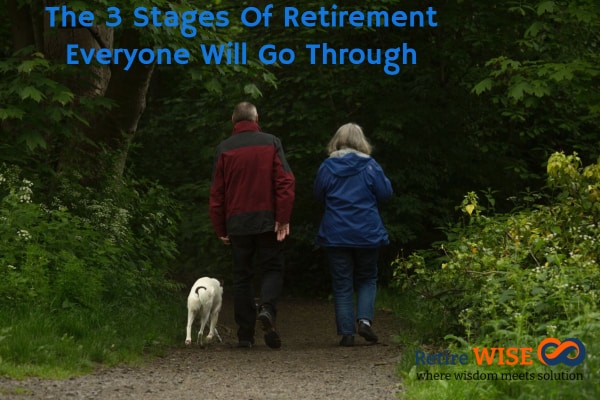
Stage One: The Go-Go Years (60–70, approximately)
This is the stage you’re dreaming about right now. And you should dream about it — it’s real.
In the first 5-10 years of retirement, you’ll have energy, health, and — for the first time in decades — time. This is when people travel, pick up hobbies they’d postponed, spend longer mornings with chai and the newspaper, and finally read those books stacked on the bedside table.
Your expenses in this stage will actually be higher than you expect. I’ve seen this with every client. You’ll travel more. You’ll eat out more. You’ll spend on experiences you’ve been deferring. The Ladakh trip you’re planning? That’s a go-go expenditure. The cooking classes Meera (name changed) wants to take? Go-go.
Here’s what I want you to understand, Suresh: this is good spending. This is what the money is for.
“The biggest regret I hear from people in their 70s is not that they spent too much in their 60s — it’s that they didn’t spend enough. They saved for a tomorrow that looked nothing like they imagined.”
— What I tell every client entering the go-go years
I’m not saying be reckless. I’m saying your withdrawal plan is designed for this. We’ve built your portfolio so that the first decade draws more, the second draws less, and the third is protected. Trust the plan. Enjoy the years.
A few practical things for this stage: your employer health insurance ends the day you retire. We’ve already arranged a ₹25 lakh family floater — that stays. Keep 6-8 months of expenses in a savings account for emergencies. And if you haven’t drafted your will yet, this is the month to do it. I’ll nag you until it’s done, and you know I will.
One more thing. In the go-go years, your identity shifts. You’ve been “Suresh from L&T” for three decades. Suddenly you’re just Suresh. At home. Without a title. This is harder than the financial transition — I promise you. Give yourself time. The discomfort passes.
Stage Two: The Slow-Go Years (70–80, approximately)
Around 70 — sometimes earlier, sometimes later — things change. Not dramatically. Gradually.
The Ladakh trips become Lonavala weekends. The morning walks get shorter. The knees complain. The energy is there, but it comes in smaller portions. You’ll still travel, still socialise, still enjoy life — but the pace will be different. And that’s not failure. That’s just life doing what life does.
I’ve watched this transition with dozens of clients. The ones who handle it well are the ones who don’t fight it. They don’t try to maintain go-go intensity. They find a new rhythm.
Your expenses in this stage will naturally decrease. Less travel. Fewer restaurant meals. But — and this is important — your medical expenses will rise. Medications, specialist visits, possibly a knee replacement or cataract surgery. This is where the health insurance we’ve built becomes critical.
Your investment portfolio in this stage should be more conservative than it was in the go-go years. We’ll shift equity allocation down gradually — not because equities are bad, but because your ability to absorb a 30% market crash at 75 is different from your ability at 62. We’ve already planned this in your asset allocation glide path.
Suresh, the slow-go years are when your relationship with Meera deepens in unexpected ways. Your children will be in their 40s, busy with their own lives, possibly in different cities. You and Meera will spend more time together than you have since your first year of marriage. I’ve seen this go beautifully for couples who talk about it honestly. I’ve seen it go badly for couples who don’t.
Talk to her. Not about money. About what your days will look like.
Every stage of retirement needs a different financial plan.
We don’t just plan for retirement day. We plan for the go-go, slow-go, and no-go years — so your money outlasts every stage.
Stage Three: The No-Go Years (80+)
This is the stage nobody wants to talk about. So I’m going to talk about it.
After 80, life slows significantly. For some, it’s physical — mobility reduces, hearing fades, the body demands more care. For others, it’s cognitive — memory softens, decisions feel heavier. For many, it’s both.
Your expenses in this stage will be lower overall — you won’t be travelling or dining out. But your medical costs may spike. Full-time home care, hospital stays, specialised treatments — these are expensive. A private nurse in a metro city today costs ₹25,000-40,000 per month. That number will be higher by the time you reach this stage.
This is why we’ve set aside a separate medical emergency corpus in your plan. This is also why your nomination and legal heir structure matters. If — and I say this with care — you reach a point where you can’t make financial decisions yourself, someone trustworthy needs to be authorised. We’ve already discussed Power of Attorney with your son. Let’s finalise it.
“Dignity in the no-go years isn’t about wealth. It’s about not being a burden — and that requires planning, not luck.”
— A line I wrote in my book, and I believe it more with every passing year
Suresh, I’m not telling you all this to darken your mood three months before retirement. I’m telling you because the difference between a retirement that works and one that doesn’t is not how much money you have. It’s whether you planned for all three stages — not just the exciting first one.
Most people plan only for the go-go years. They imagine retirement as an endless holiday. It isn’t. It’s a 25-30 year journey with distinct chapters. Each chapter needs its own financial strategy, its own emotional adjustment, and its own definition of a good day.
You and I have built a retirement plan that accounts for all three. Your corpus is structured to spend more early and protect more later. Your insurance covers the middle and late years. Your legal documents are nearly in place.
The money part is handled.
Now here’s my last piece of advice — and I say this as someone who’s been your advisor for twelve years and, I hope, something of a friend.
Enjoy the go-go years without guilt. Adjust to the slow-go years without resentment. And prepare for the no-go years without fear.
That’s what a good retirement looks like. Not one stage. All three.
I’ll be here for all three stages.
Warm regards,
Hemant
Retirement has three acts. Most people only plan for the first.
Let’s make sure your plan covers every chapter — the adventures, the adjustments, and the years that need protection.
💬 Your Turn
Which stage of retirement are you in right now — or which one are you most worried about? What does your “good day” look like in that stage?
Retirement planning is really a long process, A person should start planning for retirement as early as possible. If a person starts retirement planning at young age and take necessary measures for the same, then there are chances of earning high rate of return.
Dear Hemantji, Nice to meet you and we wish you and your family a very happy and prosperous New Year and Greetings for all seasons during this year.
I retired from Central Govt. service on 31st March 2015. Later I tried to reemploy myself by joining any private concern. But it was not possible. Now nearly two years are getting over after my retirement without any income except my monthly pension and small interest on FDs of my retirement benefits. I need a good planning to have sure and secured monthly/quarterly/half yearly/yearly income by investing in risk free invest plans. I need your advise please.
Hi Hemant
Presently I am in the second phase of retirement. I have liquidated most of my investments in mutual funds.However I am continuing my SIPs in some mutual funds.My wife and I have some health issues which are a part of ageing process.Both of us visit our doctors once a month for check up.A considerable portion of our savings is spent on medicines and medical tests.
Dear Anil Ji,
Happy New Year 🙂
Thanks for sharing your experience – your comments are always valuable to me & TFL readers.